Periodontal Treatment Ventura for Stronger Foundations and Healthier Smiles
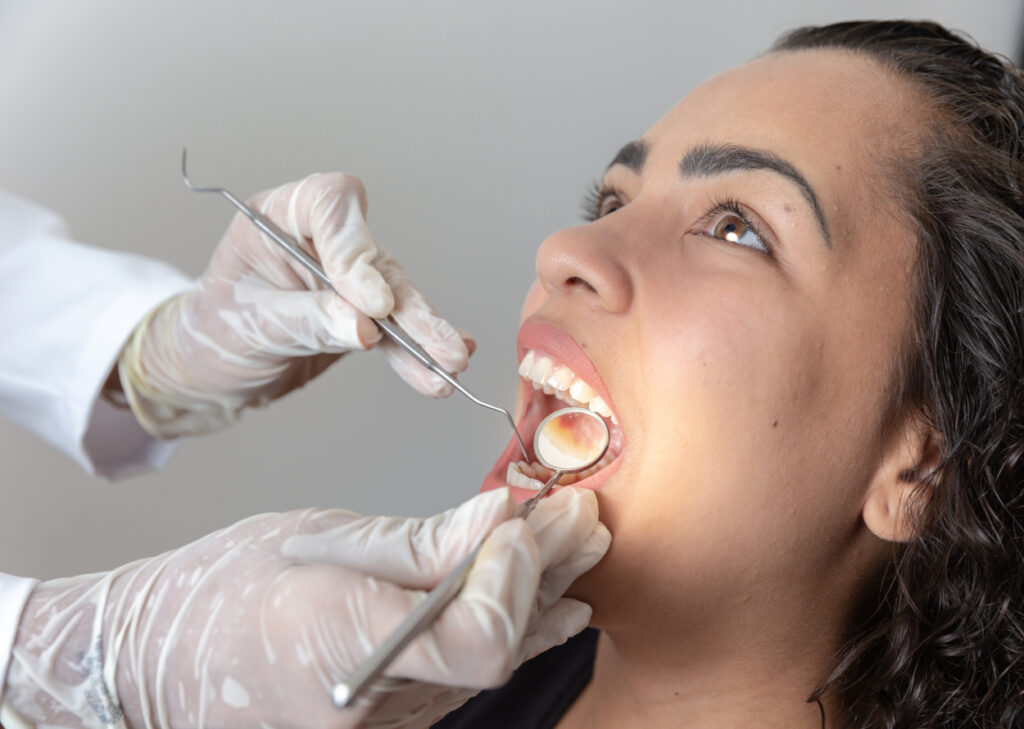


A healthy smile depends on far more than bright enamel and straight teeth. The true foundation sits underneath, in the gums, connective tissue, and bone that hold teeth in place day after day. When those supporting structures become inflamed or infected, the problem can stay quiet for a long time. Many people in Ventura first notice bleeding when brushing, a bad taste that lingers, or gums that seem to be pulling away from the teeth. By then, the disease process may already be affecting the bone.
That is why periodontal care matters so much. Periodontal disease is common, often painless in its early stages, and very treatable when caught early. Even in more advanced cases, careful treatment can slow or stop destruction, reduce discomfort, and help preserve natural teeth for years longer than many patients expect. The goal is not simply to clean the mouth. It is to restore stability, reduce the bacterial burden, and create an environment that a patient can realistically maintain at home.
For anyone researching Periodontal Treatment Ventura, it helps to understand what the condition involves, how treatment decisions are made, and what recovery looks like in real life. Gum treatment is rarely one-size-fits-all. A college student with mild gingivitis, a retiree with recession around several teeth, and a patient with diabetes and moderate bone loss will not need the same plan. Good periodontal care is tailored, measured, and practical.
What periodontal disease really is
Periodontal disease begins with bacterial plaque, a sticky film that constantly forms on the teeth. If plaque is not removed thoroughly, it hardens into calculus, often called tartar, which clings to the tooth surface, especially near and below the gumline. The body responds to that buildup with inflammation. At the earliest stage, called gingivitis, the gums may look red, puffy, or shiny, and they often bleed with brushing or flossing.
Gingivitis is reversible. That point is important. Many people assume that bleeding gums are just something they have always had, almost like a personal trait. They are not. Healthy gums do not usually bleed from routine brushing. With professional cleaning and better home care, gingivitis can often be corrected before any permanent damage occurs.
Periodontitis is different. Once inflammation extends deeper and begins affecting the ligament and bone supporting the teeth, the disease moves beyond simple gingivitis. Gum pockets can form as the tissue detaches from the teeth. Bacteria colonize those spaces, making them harder to clean. Over time, bone can be lost, gums can recede, and teeth can loosen or shift. Some patients notice spaces opening between teeth. Others notice that food packs more easily in certain areas, or that a front tooth no longer lines up the way it once did.
The frustrating part is that this can happen with surprisingly little pain. A patient may feel almost fine and still have active periodontal disease. That is one reason regular examinations and periodontal measurements are so valuable.
Why Ventura patients often catch it at different stages
In practice, periodontal disease appears across every age group, but not always in the same way. Younger adults often come in with inflammation driven by inconsistent hygiene, crowded teeth, or long gaps between cleanings. Middle-aged adults may show the effects of years of tartar buildup, old dental work that traps plaque, smoking, clenching, or dry mouth from medications. Older adults frequently present with a mix of recession, exposed root surfaces, and restoration challenges around crowns, bridges, or implants.
Ventura patients also tend to have active lifestyles, and that influences how symptoms get interpreted. A little bleeding may be dismissed because nothing hurts. Mouth dryness may be blamed on long workdays, coffee, or outdoor habits. Tooth sensitivity may get written off as a normal part of aging. These assumptions are understandable, but they can delay care.
There is also a practical issue. Gum disease usually progresses in spurts, not always in a straight line. Someone may have months where things seem stable, followed by a period of rapid breakdown tied to stress, illness, grinding, smoking relapse, hormonal changes, or a stretch of neglected home care. That pattern explains why a patient who had “never had gum trouble before” can suddenly need more involved treatment.
Common signs that should not be ignored
Some warning signs are obvious, others easy to miss. A person does not need every symptom to have active disease, but certain patterns deserve a periodontal evaluation.
- Gums that bleed during brushing, flossing, or eating
- Persistent bad breath or a recurring bad taste
- Gum recession, longer-looking teeth, or new tooth sensitivity
- Loose teeth, shifting teeth, or changes in the bite
- Swollen, tender, or puffy gum tissue
Bleeding is the symptom patients most often normalize, and that is a mistake. When gum tissue bleeds regularly, it is usually responding to inflammation. Left untreated, inflammation can become tissue destruction.
How a periodontal evaluation works
A proper evaluation involves more than a quick glance. The gums are examined for color, contour, bleeding, and recession. Pocket depths are measured around each tooth using a periodontal probe. This does not tell the whole story by itself, but it provides a map of where deeper spaces exist and whether those spaces bleed. Radiographs help show bone levels and detect tartar deposits below the gumline that may not be obvious clinically.
One of the most useful parts of a periodontal exam is comparison over time. A pocket that measures 5 millimeters once is important. A site that has changed from 3 to 5 millimeters since the last visit is even more meaningful, because it signals active progression. Mobility, furcation involvement in molars, clenching wear, root exposure, and existing restorations all shape the treatment plan.
This is where judgment matters. Not every deeper pocket needs surgery. Not every area of recession means disease is currently active. A patient with generalized 4 millimeter pockets and heavy bleeding may need a very different approach from someone with isolated 5 or 6 millimeter pockets around old crowns but otherwise stable tissues. Effective periodontal treatment depends on identifying the actual drivers of the problem, not simply reacting to the numbers.
Early treatment can be simpler than people expect
When inflammation is limited to gingivitis or very mild early periodontal involvement, treatment may be relatively straightforward. A thorough professional cleaning, improved brushing and interdental cleaning, and a shorter recheck interval can make a dramatic difference. Patients are often surprised by how much better their gums feel after just a few weeks of consistent care. Bleeding decreases, swelling settles, and the mouth feels cleaner in a way that is hard to describe until it happens.
The catch is consistency. Gums heal best when plaque removal is gentle, daily, and complete enough to reduce the bacterial load around the gumline. Aggressive scrubbing does not help. It can actually worsen recession or sensitivity. Technique matters more than force.
For early disease, small changes can have outsized effects. Switching to a soft electric toothbrush, cleaning between teeth every day with floss or interdental brushes, and following through with maintenance visits often turns the situation around before more invasive treatment is ever needed.
When scaling and root planing becomes the right next step
Once pockets deepen and tartar extends below the gumline, a routine cleaning is usually not enough. In those cases, scaling and root planing is often recommended. Patients sometimes hear this described as a “deep cleaning,” though the clinical goal is more specific than that phrase suggests. The purpose is to remove plaque, calculus, and bacterial toxins from root surfaces below the gums and to disrupt the environment that allows disease to persist.
This treatment is commonly completed in sections of the mouth with local anesthetic so the patient remains comfortable. Depending on the case, adjunctive antimicrobial rinses or localized medications may be used, though they are not necessary in every situation. What matters most is meticulous instrumentation and a realistic home-care plan afterward.
Results vary based on starting conditions. In mild to moderate cases, scaling and root planing can significantly reduce pocket depths and bleeding. It may not rebuild lost bone, but it can arrest active disease and help the tissues tighten around the teeth. For many patients, this phase is the turning point where the mouth begins to feel healthier and more stable.
A practical expectation is important here. If a tooth already has major bone loss, recession may become more noticeable as inflammation resolves. Patients sometimes mistake that change for treatment failure because the gums look lower. In reality, swollen infected tissue has shrunk back to a healthier contour. The tooth may appear longer, but the disease process may be under better control.
What happens after initial periodontal therapy
One of the biggest misconceptions in gum care is that treatment ends once the deep cleaning or surgical phase is complete. Periodontal therapy is better understood as control rather than cure. The bacteria that contribute to gum disease can return quickly if the mouth is not maintained well, especially in patients with a history of moderate or severe periodontitis.
After initial therapy, the gums are reevaluated. Some pockets resolve nicely. Others remain stubborn. That follow-up is where the next decision gets made. A patient who responds well may move into periodontal maintenance, usually at intervals shorter than the standard six months. Someone with persistent deep areas, difficult anatomy, or advanced defects may be referred for surgical care.
Maintenance is not just “another cleaning.” It is a focused, ongoing effort to monitor pocket depths, remove deposits in high-risk areas, reinforce home care, and catch recurrence early. Patients who stay consistent with maintenance generally keep better long-term stability than those who return only when something feels wrong.
Surgical periodontal treatment, when non-surgical care is not enough
Not every periodontal case needs surgery, but some clearly benefit from it. If deep pockets remain after https://tituszxud660.publishlane.com/posts/periodontal-treatment-ventura-protecting-smiles-one-gumline-at-a-time non-surgical therapy, if access is limited, or if there are bony defects that may respond to regenerative techniques, a periodontist may recommend a surgical approach. This can sound intimidating, yet many procedures are more manageable than patients imagine, especially with local anesthetic and thoughtful postoperative care.
Surgical treatment may involve lifting the gum tissue gently to gain direct access for root debridement, reshaping areas that trap bacteria, or placing regenerative materials in selected defects. In some cases, gum grafting is used to cover exposed roots or strengthen areas of recession. Crown lengthening may be advised around a tooth that needs restoration but lacks adequate visible structure above the gumline.
Here, the trade-offs deserve honest discussion. Surgery can improve access, reduce persistent pockets, and help preserve strategic teeth, but healing time, cost, and temporary discomfort must be weighed against expected benefit. A severely compromised tooth with poor root anatomy and advanced mobility may not justify extensive treatment if its long-term outlook remains guarded. On the other hand, a strategically important molar with an isolated defect might be worth saving because it supports chewing function and helps avoid more complex restorative work later.
The connection between gum health and whole-body health
Periodontal disease is a local infection with broader implications. The mouth is not separate from the rest of the body. Chronic inflammation in the gums can complicate health conditions that are already difficult to manage, particularly diabetes. Patients with uncontrolled blood sugar often show more severe periodontal breakdown and slower healing. The relationship runs both ways. Better gum health can support better diabetes management, and better glycemic control can support periodontal treatment outcomes.
Smoking remains one of the strongest risk factors for poor periodontal health. Smokers may show less bleeding because nicotine constricts blood vessels, but less bleeding does not mean healthier tissue. In fact, disease can be more advanced and healing less predictable. Vaping is not a free pass either. The long-term data continue to develop, but dryness, inflammation, and tissue stress are real concerns.
Pregnancy, autoimmune conditions, osteoporosis medications, dry mouth, and certain heart medications can all influence the gums in different ways. This does not mean treatment becomes impossible. It means the care plan should account for the patient’s broader health picture rather than treating the mouth in isolation.
Home care that actually supports treatment
Patients often ask which product matters most. The honest answer is that technique and consistency matter more than the label on the package. A high-end brush will not compensate for rushed habits. At the same time, the right tools can make daily care much easier.
For most people, a soft-bristled electric toothbrush improves plaque removal at the gumline. Interdental cleaning is essential because brushing alone misses the contact areas between teeth. The best tool varies. Traditional floss works well for tight contacts. Interdental brushes are often excellent for wider spaces, bridgework, and patients with recession. Water flossers can be a helpful supplement, especially for orthodontic appliances or dexterity issues, though they are usually best used alongside, not instead of, mechanical plaque removal.
Patients with sensitivity after periodontal treatment may need desensitizing toothpaste, fluoride support, or modifications in technique. That adjustment period is normal. The root surfaces can be more exposed once inflammation subsides. Most people adapt well when the issue is addressed early instead of avoided.
A practical routine should be simple enough to last on a busy weekday. If a home-care plan takes 25 minutes and requires flawless motivation, most patients will abandon it. Sustainable care is always better than a perfect plan no one follows.
What to expect during recovery
Recovery depends on the type of treatment. After scaling and root planing, many patients notice mild soreness, temporary sensitivity to cold, and a cleaner feeling around the teeth. Soft foods for a day or two, good hydration, and careful brushing usually make the period easy to manage. Tenderness often fades quickly.
After periodontal surgery, recovery can involve more swelling, dietary adjustments, and activity restrictions for a few days. Patients may need prescription or over-the-counter pain control, antimicrobial rinses, and very specific cleaning instructions around the healing site. The first week matters. Trying to “power through” with normal eating, vigorous rinsing, or hard exercise too soon can slow healing.
The good news is that most periodontal recovery is less dramatic than patients fear. The emotional burden is often worse than the physical one, especially for someone who has put off care because they imagine the process will be severe. Clear expectations help. So does knowing that treatment is aimed at preserving function, not simply reacting to damage after the fact.
Choosing the right provider for Periodontal Treatment Ventura
When people search for Periodontal Treatment Ventura, they are usually looking for both technical skill and reassurance. They want a provider who can explain what is happening, what can realistically be improved, and what maintenance will require. That combination matters. Gum treatment is not a cosmetic sales process. It is a health decision that often unfolds over time.
A strong periodontal provider typically does several things well:
- Performs careful measurements and explains findings in plain language
- Distinguishes between mild inflammation, active disease, and past stable damage
- Offers treatment options with clear benefits, limits, and costs
- Coordinates care when restorative, orthodontic, or medical factors are involved
- Emphasizes maintenance and home care, not just procedures
Patients should feel comfortable asking practical questions. How deep are the pockets? Is there active bone loss? What happens if treatment is delayed six months? Will this tooth likely stabilize, or is the prognosis uncertain? Honest answers build trust and lead to better decisions.
Saving teeth versus replacing them
One of the most nuanced parts of periodontal treatment is deciding when to save a compromised tooth and when to consider extraction and replacement. Dentistry has excellent options for replacement, including implants, bridges, and removable solutions, but preserving a healthy natural tooth is still valuable whenever the prognosis supports it.
That said, saving a tooth at any cost is not always wise. A tooth with severe vertical bone loss, recurrent infection, poor root anatomy, fracture risk, and little strategic value may consume time and money without delivering lasting benefit. In contrast, a tooth with moderate periodontal involvement but good root structure and a motivated patient may remain serviceable for many years after treatment.
This is where experienced judgment matters most. The right answer depends on function, adjacent teeth, bite forces, medical history, smoking status, home care, finances, and patient goals. There is no single rule that applies to everyone.
A healthier smile begins below the gumline
Teeth look their best when the tissues around them are healthy, firm, and stable. That stability does not happen by chance. It comes from early detection, thoughtful treatment, and habits that reduce inflammation day after day. Periodontal disease can be quiet, but its effects are not minor. It threatens the structures that keep teeth functional, comfortable, and worth preserving.
The encouraging reality is that timely care makes a difference. Whether the need is a preventive cleaning, scaling and root planing, ongoing maintenance, or more advanced periodontal therapy, treatment can strengthen the foundation beneath the smile. For patients seeking Periodontal Treatment Ventura, the priority should be clear diagnosis, individualized care, and a plan that works not just in the dental chair, but in everyday life.
Avra Dental
Address: 1708 S Victoria Ave B, Ventura, CA 93003
Phone number: (805) 941-1001
FAQ About Periodontal Treatment Ventura
Can a dentist get rid of periodontal disease?
A dentist or gum specialist (periodontist) cannot fully cure or reverse advanced periodontal disease (periodontitis), but they can successfully stop its progression and manage the infection.
Is periodontitis very serious?
Yes, periodontitis is a very serious, advanced form of gum disease that destroys the bone and tissues supporting your teeth.
How is stage 2 periodontal disease treated?
Stage 2 periodontal disease (early to moderate periodontitis) is primarily treated with non-surgical deep cleaning procedures like scaling and root planing to remove bacteria and tartar below the gumline.